



The 2026 Investors Playbook From AI Dominance to Global Opportunities
January 01, 2026
3 min
Hey folks, Kane Buffett here. As we wrap up 2025 and peer into 2026, the market is buzzing with a mix of holiday cheer, technological disruption, and economic shifts. This isn’t just about picking stocks; it’s about understanding the powerful currents shaping our world—from the checkout line to the cloud server farm. I’ve sifted through the latest reports and analyses to connect the dots between consumer spending, AI dominance, content wars, and the often-overlooked heartbeat of America: the rural economy. Let’s dive into the themes that will define your portfolio in the coming year.
⚡ Don’t miss out on potential market opportunities - here’s the latest analysis of The AI Reset, Regulatory Storms, and Retail Woes Navigating the Crosscurrents of Todays Market for comprehensive market insights and expert analysis.
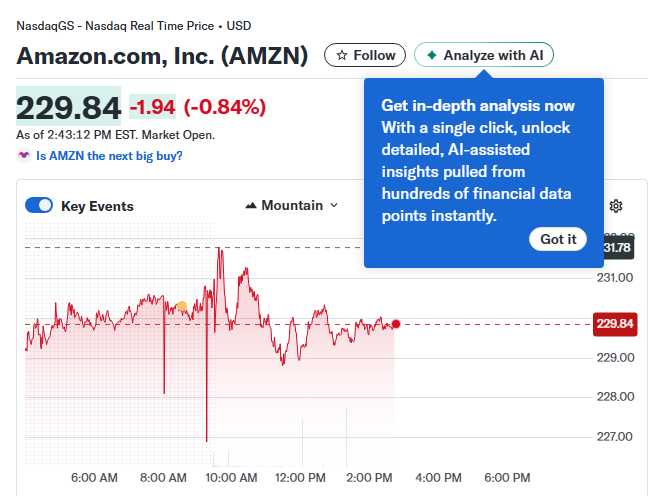
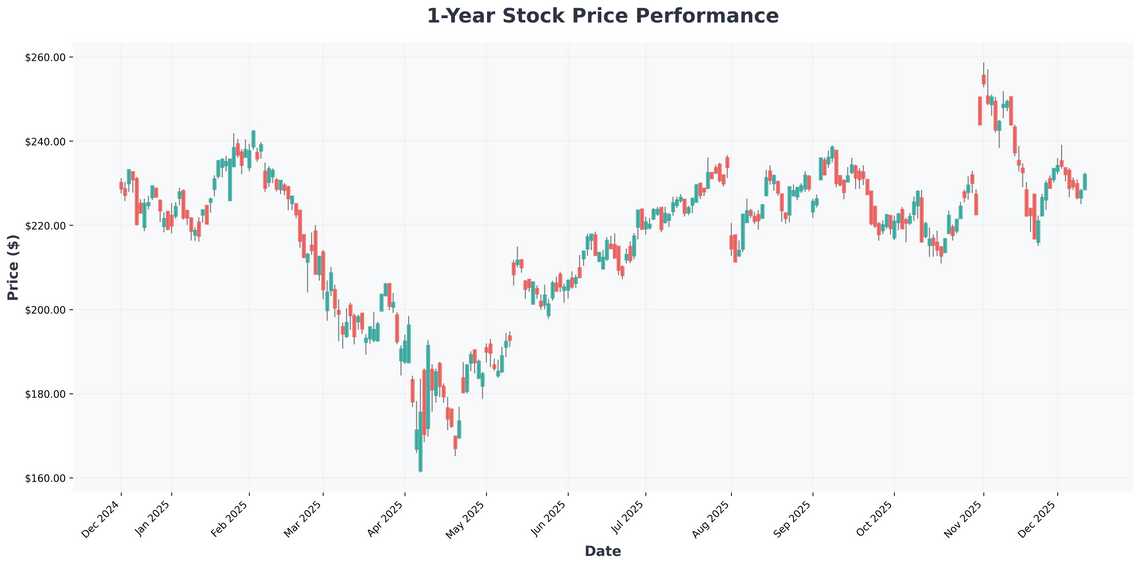
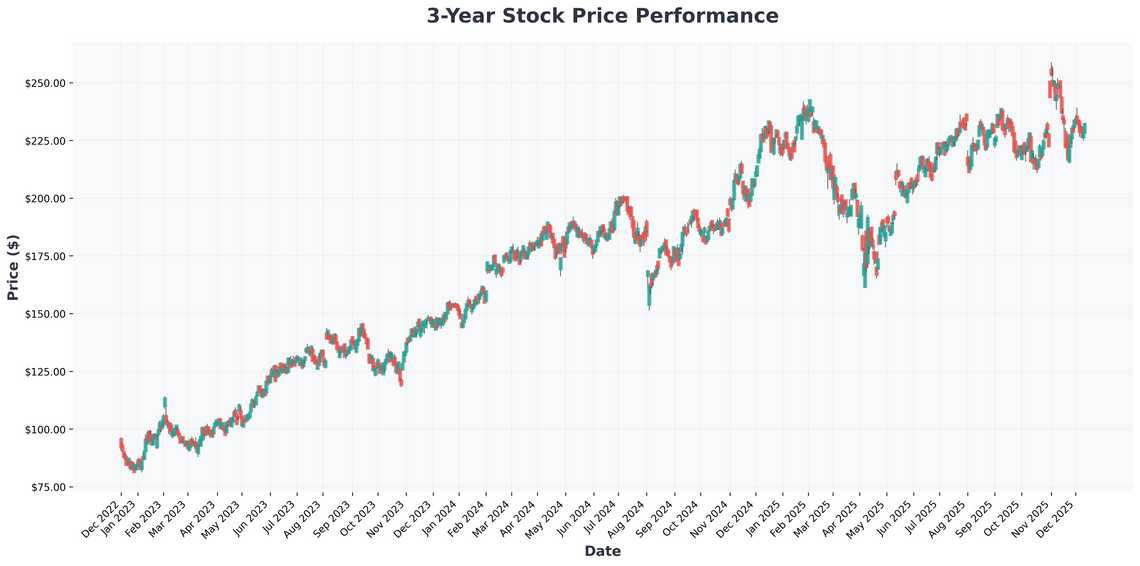
The Holiday Retail Engine and the Amazon Juggernaut The holiday season is more than just a sales period; it’s a stress test for retail business models. One standout poised to benefit is a key player in the value retail space, expected to see a significant boost from resilient consumer spending focused on essentials and value. This trend highlights a consumer who is savvy and budget-conscious, even during festive times. This narrative dovetails perfectly with the ongoing story of Amazon. Recent analyses present a compelling case for Amazon as a potential buying opportunity for 2026. The core argument isn’t about short-term holiday pops, but long-term infrastructure. Amazon’s massive investments in logistics and AWS cloud computing have created a “wide-moat” business—a fortress that is incredibly difficult for competitors to breach. While the stock may face near-term volatility, the foundational strength of its dual engine (e-commerce and cloud) makes dips potential entry points for long-term investors looking at the 2026 horizon. The question isn’t just “should you buy before 2025 is over?” but “are you positioned for the next decade of digital consumption?”
💬 Real opinions from real diners — here’s what they had to say about Flo & Santos to see what makes this place worth a visit.
The AI Battleground and the Voice-Enabled Future No 2026 outlook is complete without addressing artificial intelligence. The conversation often centers on NVIDIA, whose chips power the AI revolution. However, a critical question emerges: should investors worry about NVIDIA’s AI market share? The competitive landscape is intensifying as major tech companies develop their own in-house chips. This doesn’t spell immediate doom for NVIDIA—its software ecosystem (CUDA) remains a significant barrier to entry—but it does signal that its period of near-total dominance may face challenges. Investors must watch for diversification in the AI supply chain. Simultaneously, AI is moving from data centers into our homes and pockets. The voice assistant market is projected to explode, reaching nearly US$60 billion by 2033. This growth is fueled by the proliferation of smart devices—from speakers to cars to appliances—creating an expansive voice-enabled ecosystem. This trend represents the consumer-facing side of the AI boom, where convenience and integration drive the next wave of tech adoption, offering investment angles beyond pure-play chipmakers.

🥂 Whether it’s date night or brunch with friends, don’t miss this review of MaMo to see what makes this place worth a visit.
Content Kings, Debt Stories, and the Rural Economic Backbone In the entertainment sphere, Netflix continues to build what analysts call an “unmatched content moat.” Its relentless investment in a vast, global library of original and licensed content creates a powerful draw for subscribers, making cancellation a less appealing option. However, the market is concurrently “sorting out the debt story.” Heavy content spending requires significant capital, and how the market values this debt-fueled growth versus the stability of the subscriber base is a key tension. It’s a classic growth vs. financial health debate. Zooming out from specific companies to the broader economic landscape, CoBank’s 2026 “Year Ahead” report provides crucial insight. It outlines the forces shaping the U.S. rural economy, including agricultural commodity prices, energy sector dynamics, infrastructure investment, and access to capital. For investors, this isn’t just about farmland; it’s about understanding the health of a sector that underpins food, energy, and supply chain stability. A thriving rural economy supports broader consumer and industrial health, while stress in this area can have ripple effects.
💰 Don’t let market opportunities pass you by - here’s what you need to know about The AI Investment Tsunami How to Position Your Portfolio for the Next Decade (Featuring Apple, Amazon, and Bill Gates Picks) for comprehensive market insights and expert analysis.
So, what’s the 2026 playbook? It’s about balance. Balance between consumer discretionary picks (like resilient retailers) and consumer staples in a budget-conscious environment. Balance between betting on AI titans like NVIDIA and recognizing the expanding universe of AI applications like voice tech. Balance between chasing high-growth, debt-funded stories like Netflix and appreciating the steady, fundamental importance of sectors like the rural economy detailed by CoBank. Don’t just look for the next hot stock; look for the durable themes. Do your own research, consider your risk tolerance, and think in terms of years, not quarters. This is Kane Buffett, signing off. Here’s to making informed, patient decisions in 2026.
Join thousands of Powerball fans using Powerball Predictor for instant results, smart alerts, and AI-driven picks!
