



Buffetts Farewell, The Magnificent Seven, and Your 2026 Portfolio A Strategic Blueprint
January 02, 2026
4 min
Fellow investors, we’re witnessing one of the most fascinating market environments in recent memory. As Kane Buffett, I’ve been through multiple market cycles, and what we’re seeing today presents both extraordinary opportunities and significant risks. The Russell 2000 is testing crucial support levels while corporate America navigates AI transformation and electric vehicle evolution. In today’s deep dive, we’ll unpack the balance sheet fortresses in small-caps, decode institutional moves in strong performers, and examine whether Rivian can truly follow Tesla’s successful blueprint.
☁️ Want to stay ahead of the market with data-driven investment strategies? Here’s what you need to know about AI Investment Tsunami Navigating the $40B Compute Boom and Market Volatility for comprehensive market insights and expert analysis.
The Russell 2000 index faces a critical juncture, with approximately $709 billion in market value testing investor confidence. What separates the potential survivors from those facing a crunch? Robust balance sheets. Companies with strong cash positions, manageable debt levels, and sustainable cash flow generation are positioned to weather potential economic headwinds. The current environment demands rigorous financial health analysis beyond surface-level metrics. Investors should focus on companies with cash reserves covering at least 12-18 months of operations, debt-to-equity ratios below industry averages, and proven ability to generate organic growth without excessive leverage. The small-cap space often contains hidden gems with fortress-like balance sheets that can provide both downside protection and upside potential when market sentiment improves.
Armstrong World Industries presents a fascinating case study of strong fundamental performance conflicting with institutional selling patterns. Despite reporting robust earnings that exceeded analyst expectations, a significant fund sold approximately $6 million in Armstrong stock. This divergence between fundamental strength and institutional action requires careful interpretation. Long-term holders should consider whether this represents profit-taking after strong performance or signals deeper concerns about future growth prospects. The company’s core business metrics, including revenue growth, margin expansion, and market position, remain solid. However, investors must distinguish between temporary institutional rebalancing and fundamental deterioration when assessing such moves.
Join thousands of Powerball fans using Powerball Predictor for instant results, smart alerts, and AI-driven picks!
Elon Musk recently described the scale of AI compute spending as ‘mind-blowing,’ and Google’s announcement of $40 billion in AI infrastructure investment confirms this trend. The AI arms race has escalated to unprecedented levels, with major tech companies allocating capital that dwarfs previous technology cycles. This massive investment in computational resources, data centers, and AI research represents both enormous opportunity and significant risk. Companies leading in AI infrastructure stand to capture substantial market value, but the capital intensity raises questions about return on investment timelines and competitive dynamics. Investors should monitor companies with sustainable AI strategies, proprietary technology advantages, and clear paths to monetization rather than those simply riding the AI hype wave. The compute spending boom creates ripple effects across semiconductor, cloud infrastructure, and enterprise software sectors that savvy investors can capitalize on.
Google’s massive $40 billion AI investment announcement represents one of the largest corporate bets on emerging technology in history. This commitment to AI compute infrastructure, research, and development signals the company’s determination to maintain leadership in the AI revolution. However, the scale of investment raises valid questions about capital allocation efficiency and competitive positioning. Historical precedents suggest that while technology leaders must invest aggressively to maintain dominance, there’s a point of diminishing returns. Investors should assess whether Google’s AI investments will generate sufficient returns to justify the massive capital outlay or if this represents defensive spending to protect existing market positions.

Make every Powerball draw smarter—check results, get AI number picks, and set reminders with Powerball Predictor.
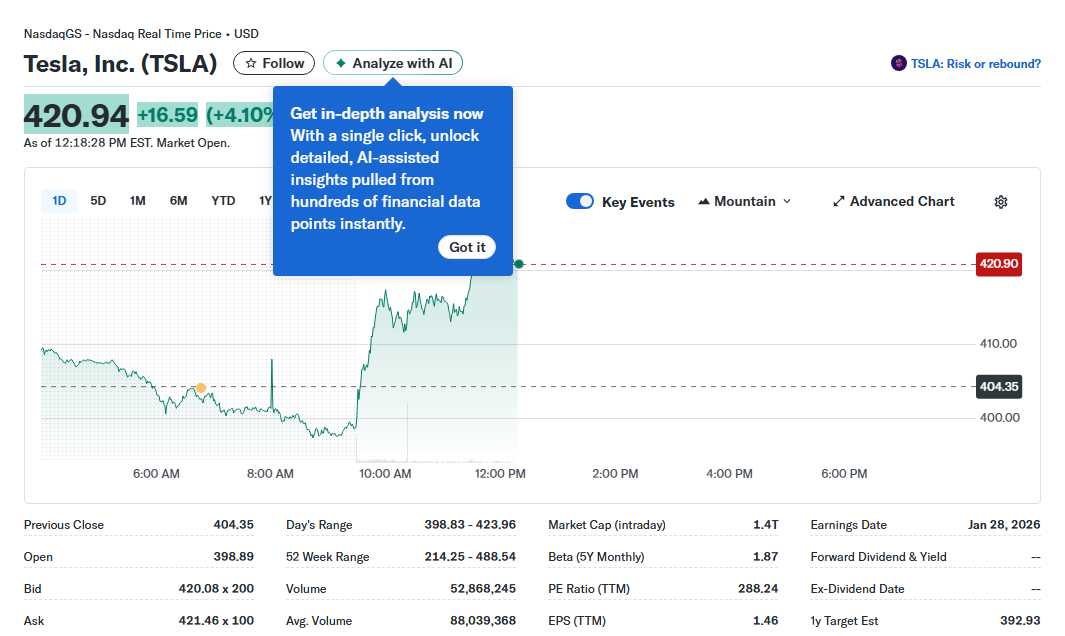
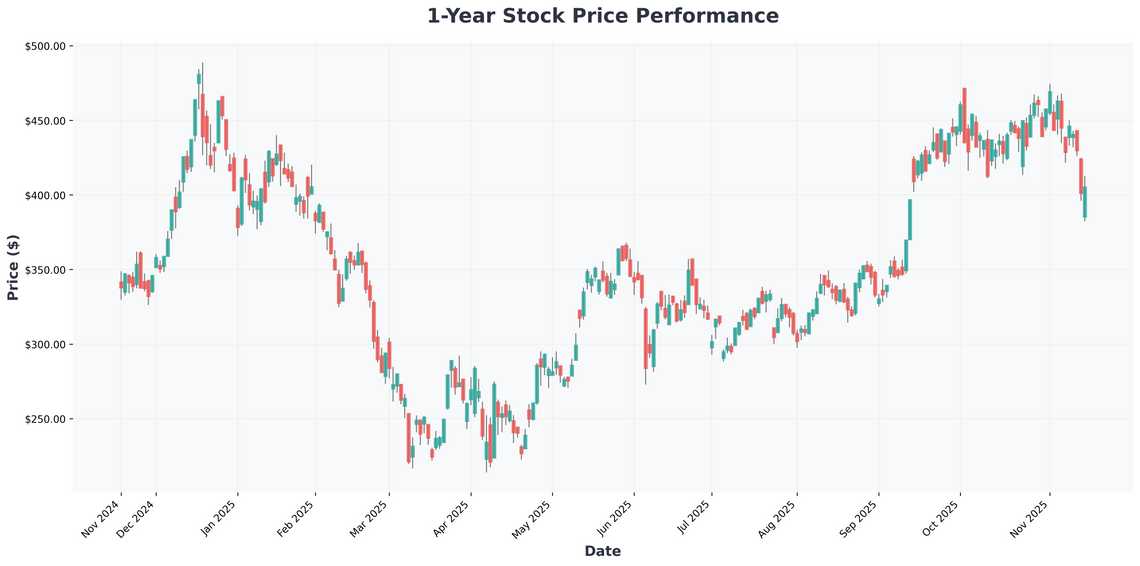
Rivian Automotive is implementing strategies reminiscent of Tesla’s successful playbook, including vertical integration, direct-to-consumer sales, and technology-focused brand building. The electric vehicle manufacturer’s approach mirrors Tesla’s early growth phase, but the competitive landscape has dramatically evolved. While Tesla pioneered the EV market with limited competition, Rivian faces established automakers and numerous EV startups all vying for market share. The company’s execution on production scaling, cost management, and technology differentiation will determine whether adopting Tesla’s strategies leads to similar success. Rivian’s recent operational improvements and production efficiency gains suggest the company is learning from both Tesla’s successes and failures in the capital-intensive auto manufacturing business.
Chart analysis suggests bullish momentum for Rivian, with technical indicators pointing to potential upside. However, some fundamental analysts remain skeptical due to concerns about cash burn, competitive pressures, and the challenging economics of auto manufacturing. This divergence between technical and fundamental perspectives creates both opportunity and risk for investors. The technical picture indicates improving market sentiment and potential breakout patterns, while fundamental analysis highlights the operational challenges of achieving sustainable profitability in the capital-intensive EV space. Long-term investors must weigh Rivian’s strategic positioning, technology advantages, and execution capabilities against the formidable challenges of scaling auto manufacturing profitably.
Need to measure time accurately without installing anything? Try this no-frills web stopwatch that runs directly in your browser.
In today’s complex market environment, successful investing requires balancing multiple perspectives and time horizons. The Russell 2000’s balance sheet test reminds us that financial health matters most during uncertain times. Armstrong’s institutional selling despite strong earnings demonstrates that even quality companies face headwinds. The AI compute spending boom represents both transformational opportunity and capital allocation risk. Meanwhile, Rivian’s Tesla-inspired strategy shows that business model innovation remains crucial in evolving industries. As always, focus on companies with sustainable competitive advantages, strong financial foundations, and capable management teams. The market rewards patience and discipline, not reactionary moves based on short-term noise. Stay focused on the long game, maintain portfolio discipline, and remember that the best investments often emerge during periods of maximum uncertainty.
Want to develop problem-solving and logical reasoning? Install Sudoku Journey with multiple difficulty levels and test your skills.
