



Buffetts Farewell, The Magnificent Seven, and Your 2026 Portfolio A Strategic Blueprint
January 02, 2026
4 min
Hey folks, Kane Buffett here. For over a decade on this blog, we’ve navigated bull markets, corrections, and everything in between by focusing on data, not drama. But sometimes, drama points us toward critical data. Right now, three powerful narratives are colliding: the re-emergence of “The Big Short’s” Michael Burry with a massive bearish bet, the relentless rise and political scrutiny of AI giant Palantir, and a brewing transatlantic tech war highlighted by JD Vance. These aren’t just headlines; they’re signals in the noise. Let’s cut through the hype, analyze the filings and the facts, and discuss what this convergence means for your portfolio. Strap in; this is a deep one.
📈 For serious investors seeking alpha, this detailed breakdown of AI Revolution 2026 Navigating NVIDIA, Google, and the Next Wave of Tech Investments for comprehensive market insights and expert analysis.
The Oracle of Doom Returns: Decoding Michael Burry’s $1.6 Billion Bet The financial world buzzed this week as regulatory filings revealed Michael Burry’s Scion Asset Management has placed a staggering $1.6 billion in bearish put options against the S&P 500 and Nasdaq-100. This isn’t a casual hedge; it’s one of the largest concentrated short positions by a major fund. Burry, immortalized for predicting the 2008 housing crash, is effectively betting on a significant market downturn. The filings don’t specify a timeline, but the scale screams conviction. He’s targeting the heart of the market—the tech-heavy indices that have been driven by the “Magnificent 7” and AI euphoria. This move forces us to ask: What does Burry see that the bullish crowd doesn’t? Potential triggers could be overvaluation in mega-cap tech, persistent inflation delaying rate cuts, or a looming recession the market has priced out. While Burry has been early (and sometimes wrong) before, ignoring a bet of this magnitude from a proven contrarian is unwise. It’s a stark reminder to assess your own portfolio’s risk exposure. Are you over-allocated to the same high-flying tech names Burry is shorting?
💡 Ready to take your portfolio to the next level? Check out this strategic analysis of aTyr Pharma Investor Alert Class Action Lawsuits and What You Need to Know for comprehensive market insights and expert analysis.
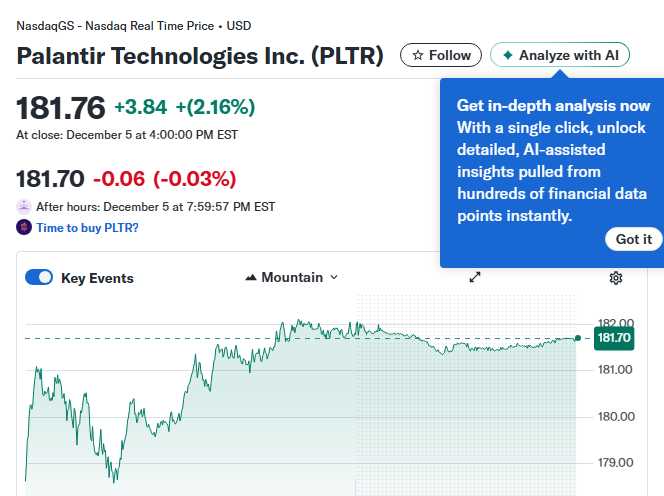
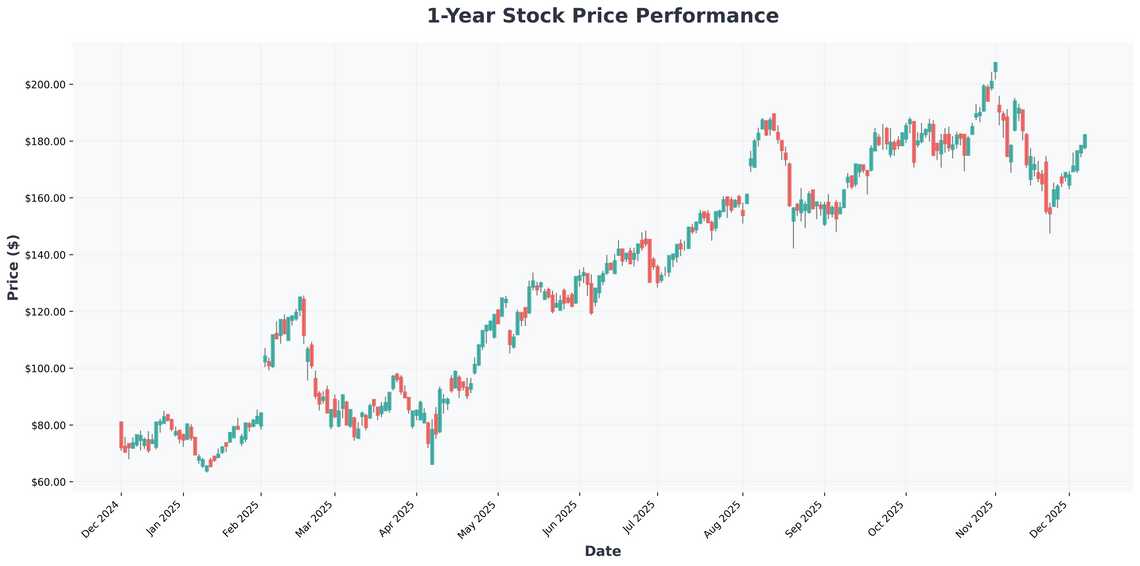
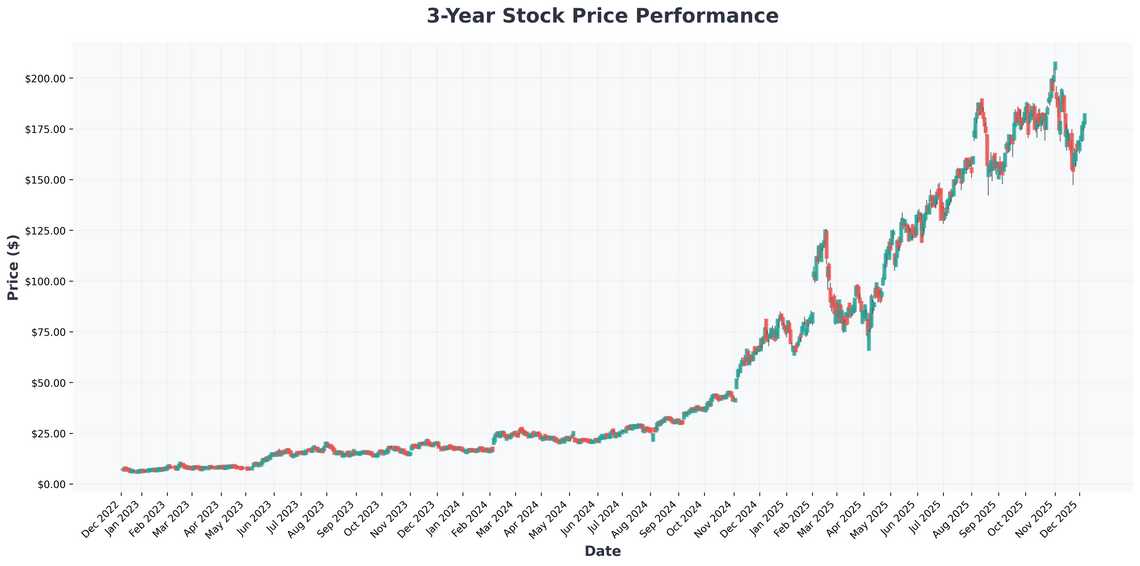
Palantir: The AI Powerhouse in the Crosshairs Central to this story is Palantir Technologies (PLTR), a company Burry’s fund has also taken a direct short position against, according to analysis. Palantir is the quintessential modern battleground stock. On one side, it’s a premier AI and data analytics firm, securing massive contracts with the U.S. government (like its $480 million Army deal) and expanding commercially. Its Foundry and Gotham platforms are foundational for large-scale data decision-making. This is the bullish thesis: a leader in the indispensable AI revolution. On the other side, it faces fierce criticism. A former Clinton administration official labeled it “the most dangerous corporation in America,” accusing it of building a “total information awareness” surveillance system. This sentiment fuels political and regulatory risk. Furthermore, its valuation remains a point of contention—can its commercial growth justify the premium? Burry’s short suggests he believes the risks (political, ethical, valuation) outweigh the AI potential. For investors, Palantir represents the high-stakes dilemma of modern tech investing: phenomenal growth potential tangled with unprecedented societal and geopolitical scrutiny.

For timing tasks, breaks, or productivity sprints, a browser-based stopwatch tool can be surprisingly effective.
The Bigger Picture: Political Winds and Market Realities The Palantir debate dovetails into a larger political clash. Senator JD Vance recently slammed the European Union for “attacking U.S. Big Tech,” specifically defending free speech amid reports of penalties against Elon Musk’s X platform. This highlights a growing front: the regulatory war on U.S. tech dominance. Vance frames it as defense of American innovation and free speech, while the EU pursues digital sovereignty and regulation. For investors, this political friction is a new layer of systemic risk. It can lead to fines, operational constraints, and broken market access. Meanwhile, as the Fool article wisely points out, investing in pure-play AI can be risky. A “magnificent” alternative is to invest in the “picks and shovels” providers—the companies (like Nvidia, Microsoft, Amazon Web Services) that provide the essential infrastructure, software, and hardware for the AI gold rush. They often have diversified revenue streams and may face less direct regulatory heat than application-focused firms like Palantir. This approach offers AI exposure while mitigating single-stock volatility.
💡 Whether you’re day trading or long-term investing, this comprehensive guide to Market Crossroads NVIDIAs Strength vs. Positioning Risk in a Volatile Week Ahead for comprehensive market insights and expert analysis.
So, where does this leave us? Michael Burry’s bet is a canary in the coal mine, urging caution and risk assessment. Palantir is the emblematic case study of a brilliant yet controversial AI investment. And the JD Vance vs. EU spat reminds us that stock prices are increasingly set in courtrooms and capitals, not just boardrooms. My take? Use this moment to audit your portfolio. Ensure you’re diversified beyond the handful of stocks driving the indices. Consider the “picks and shovels” approach for core AI exposure. And always, always understand the non-financial risks (political, regulatory, social) of the companies you own. The market is sending complex signals. It’s our job to interpret them with a cool head and a long-term perspective. Stay sharp out there. – Kane Buffett
Need a secure password fast? This free online password generator creates strong and unpredictable combinations in seconds.
